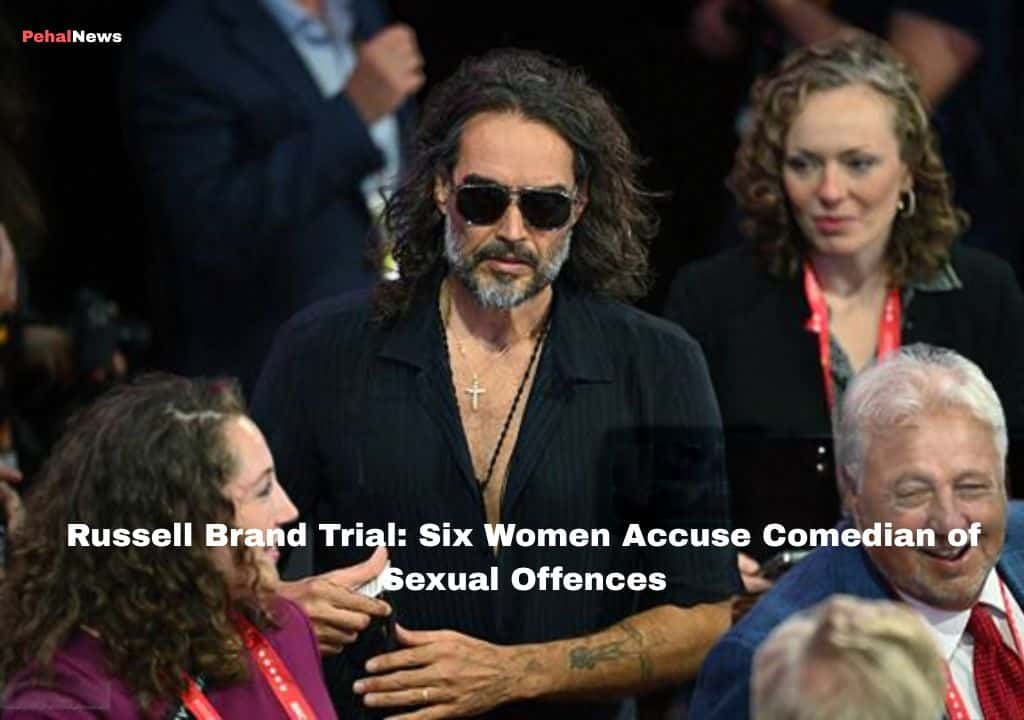
The Russell Brand trial has drawn international attention as six women accuse the British comedian and actor of sexual offences allegedly committed between 1999 and 2009. The proceedings at Southwark Crown Court in London concern three counts of rape, three counts of sexual assault and one count of indecent assault. Brand denies all seven charges and maintains that he has never engaged in non-consensual sexual activity.
The Russell Brand trial is examining allegations relating to different locations and circumstances, including a hotel room, a television workplace and a London bar. Prosecutors have presented accounts from complainants who say they experienced unwanted sexual conduct during encounters with Brand. The defence has challenged the allegations, and the jury must assess the evidence before reaching any verdict.
On October 19, 2026, jurors heard evidence from a former MTV employee concerning an alleged incident at a Soho bar in 2004. The woman described an encounter in which she alleges Brand grabbed her and forced her into a sexual act. Brand denies the charges, and the case remains ongoing.
The Russell Brand trial follows a major media investigation published in 2023 that brought allegations against the entertainer into public view. The criminal proceedings now place specific allegations before a jury, where the prosecution and defence can examine the evidence under the rules of the English legal system.
Russell Brand Trial: What Are the Charges?
The Russell Brand trial involves seven criminal charges concerning six women and alleged incidents spanning a decade. The charges include three counts of rape, three counts of sexual assault and one count of indecent assault.
According to Reuters, the allegations relate to incidents said to have occurred between 1999 and 2009. The prosecution has described the complainants as women who did not know one another, although their allegations concern the same defendant.
Brand, aged 51, has pleaded not guilty to all charges. His position is that he did not engage in non-consensual sexual activity.
The Russell Brand trial is not a determination of every allegation that has appeared in media coverage over the years. The jury is considering the specific criminal charges brought before the court, and the prosecution must establish the relevant allegations to the criminal standard of proof.
The charges are serious, but they remain allegations unless and until they are proven in court.
Key details of the Russell Brand trial
Defendant: Russell Brand, British comedian, actor and former broadcaster.
Court: Southwark Crown Court, London.
Complainants: Six women.
Period covered by the allegations: 1999-2009.
Charges: Three counts of rape, three counts of sexual assault and one count of indecent assault.
Plea: Brand denies all seven charges.
Trial status: Ongoing as of October 19, 2026.
The Russell Brand trial is expected to continue for several weeks, with further testimony and examination of evidence forming part of the proceedings.
Woman Gives Evidence About an Alleged 2004 Assault
One of the most closely followed developments in the Russell Brand trial came on October 19, when a woman’s recorded police interview was played to the jury.
The complainant, who worked for MTV at the time, described meeting Brand at a birthday party at Nordic Bar in London’s Soho district in 2004. According to her account, she had been interested in meeting the entertainer because she had watched his television appearances.
She alleged that Brand grabbed her breasts during their conversation and then pulled her towards the bar’s toilets. She told investigators that the encounter happened quickly and left her shocked.
In her recorded account, the woman alleged that Brand forced her to perform oral sex. She described feeling unable to respond effectively during the incident and said that she initially struggled with how to explain what had happened.
The prosecution presented this testimony as part of its case against Brand. His defence disputes the allegations and challenges aspects of the complainant’s account.
The Russell Brand trial has also heard that the woman did not disclose every detail of the alleged incident when she first spoke to people she knew. She said feelings of shame and concerns about being judged affected how she initially described the experience.
Her evidence is one part of the case. The jury must consider it alongside the defence’s challenges and all other relevant evidence before reaching a conclusion.
Earlier Testimony in the Russell Brand Trial
The Russell Brand trial had already heard evidence from two other complainants before the October 19 proceedings.
Allegation relating to 1999
The first complainant told the court that she met Brand at an event associated with the Labour Party conference in Bournemouth in 1999. She alleges that he raped her in her hotel room.
Her testimony formed an early part of the prosecution’s case. The defence has an opportunity to challenge her account and test the evidence presented to the jury.
The allegation is one of the three rape counts included in the case. It has not been established as fact by a verdict.
Allegation relating to 2001
A second woman, who worked at MTV Europe, told the court about an alleged encounter in 2001. She said Brand attempted to pull her into a men’s toilet at the workplace.
According to her testimony, she managed to escape. She also explained why she did not report the alleged incident at the time and why she later came forward.
During the Russell Brand trial, the defence questioned aspects of her recollection and suggested that subsequent media coverage might have influenced her account. The woman disputed that suggestion.
These testimonies illustrate the different circumstances covered by the charges. Each allegation must be assessed individually, even though all form part of the same criminal trial.
What Does Russell Brand Say in His Defence?
Brand has denied the allegations throughout the criminal proceedings. Following his arrest, he told police that he had never engaged in non-consensual sexual activity and suggested that accounts of his conduct had been reinterpreted after a documentary and subsequent press reporting.
His defence has challenged the complainants’ descriptions of the alleged encounters, including questions about their recollections and how they described events over time.
In the Russell Brand trial, cross-examination allows defence lawyers to test witness accounts, question inconsistencies and put alternative interpretations of events before the jury. The prosecution can then respond through further evidence and questioning where permitted.
The defence position is central to understanding the case. The allegations are serious, but the legal process requires the jury to consider both the prosecution’s evidence and the defendant’s response.
The Russell Brand trial has not reached a verdict as of October 19, 2026. It would therefore be inaccurate to describe the charges as proven or to suggest that the court has already determined Brand’s guilt.
How Did the Allegations Become Public?
The current Russell Brand trial follows a joint media investigation published in September 2023 by The Sunday Times, The Times and Channel 4’s Dispatches.
The investigation included allegations of sexual misconduct from several women and prompted widespread public discussion about Brand’s behaviour during his entertainment career.
Following the reporting, the Metropolitan Police investigated allegations relating to historical sexual offences. Brand was subsequently charged in connection with the six complainants whose allegations are now before the court.
The time gap between the alleged incidents and the trial has become relevant to questions about witness recollection, reporting decisions and the availability of supporting evidence.
Some complainants have said they did not initially report the alleged incidents because of fear, embarrassment or concerns about how they would be perceived. Those explanations have been presented through evidence in court and should be understood as the individual witnesses’ accounts rather than a conclusion about every allegation.
The Russell Brand trial is the formal criminal process through which the specific charges are being examined. Media investigations can prompt police inquiries, but the evidence and legal questions in court must be assessed independently.
Why Is the Russell Brand Trial Receiving So Much Attention?
Brand became widely known in Britain through stand-up comedy, television, radio and film. His outspoken public persona and high-profile relationships helped make him a familiar figure in entertainment.
He later developed an online audience through commentary covering politics, wellness and current affairs. The allegations and criminal charges have therefore attracted attention beyond the entertainment industry.
The Russell Brand trial also raises broader questions about how allegations against powerful or well-known figures are investigated and how complainants can seek justice years after an alleged incident.
However, the legal process must remain separate from public opinion. Celebrity status does not establish guilt, just as a defendant’s denial does not independently disprove an allegation.
The jury’s role is to assess the admissible evidence and determine whether the prosecution has proved the charges to the required standard.
What Happens Next in the Russell Brand Trial?
The Russell Brand trial is continuing at Southwark Crown Court. Further evidence and cross-examination are expected as the prosecution presents its case and the defence responds.
The trial is expected to last several weeks, although the precise schedule can change as proceedings develop.
The jury will need to consider the evidence relating to each charge separately. Its eventual conclusions will depend on the testimony, any supporting evidence and the arguments presented by both sides.
Until the jury reaches its verdict, the charges remain allegations. Further reporting may clarify the evidence presented, the defence’s position and the court’s timetable.
Readers following the Russell Brand trial should rely on reputable court reporting and official updates rather than social media speculation. Court proceedings can reveal new information over time, and early reports may not capture the complete evidence or the full response from the defence.
Conclusion: Russell Brand Trial Continues as Jury Hears Evidence
The Russell Brand trial represents a significant criminal case involving allegations made by six women concerning events between 1999 and 2009. The charges include rape, sexual assault and indecent assault, all of which Brand denies.
The evidence heard on October 19 concerned a former MTV employee’s allegation about an encounter at a London bar in 2004. Earlier testimony addressed separate allegations relating to 1999 and 2001.
The case follows the 2023 media investigation that prompted wider scrutiny of Brand’s conduct and a subsequent police inquiry. The current proceedings are examining the specific charges through the criminal justice system.
The Russell Brand trial remains unresolved. Its outcome will depend on the evidence presented to the jury and the application of the law, not on public speculation or the defendant’s celebrity status.
As the proceedings continue, further court reporting will be important for understanding the prosecution’s case, the defence’s response and any eventual verdict.